01
Drain Cleaning
Get slow sinks, showers, and household drains moving again. Targeted cleaning addresses everyday buildup while helping identify recurring problems further down the line.
Learn more about drain cleaningLocal sewer and drain help from our Bergen County team. Clear assessment, practical options, and a quote to review before the agreed work begins.
If the affected plumbing is inside a condominium or another shared building, access and responsibility matter as much as the symptoms. Our team helps Fort Lee residents and property contacts plan a suitable sewer or drain assessment. Describe the unit and floor, the fixtures involved, and whether a building representative should attend. A slow fixture inside one unit should be assessed without assuming the problem extends to the whole property.
For a Fort Lee service request involving shared facilities, check the building’s own access arrangements before booking. A manager may need to identify the relevant cleanout, provide access to a service room, or coordinate with other occupants.
Explore All 11 Services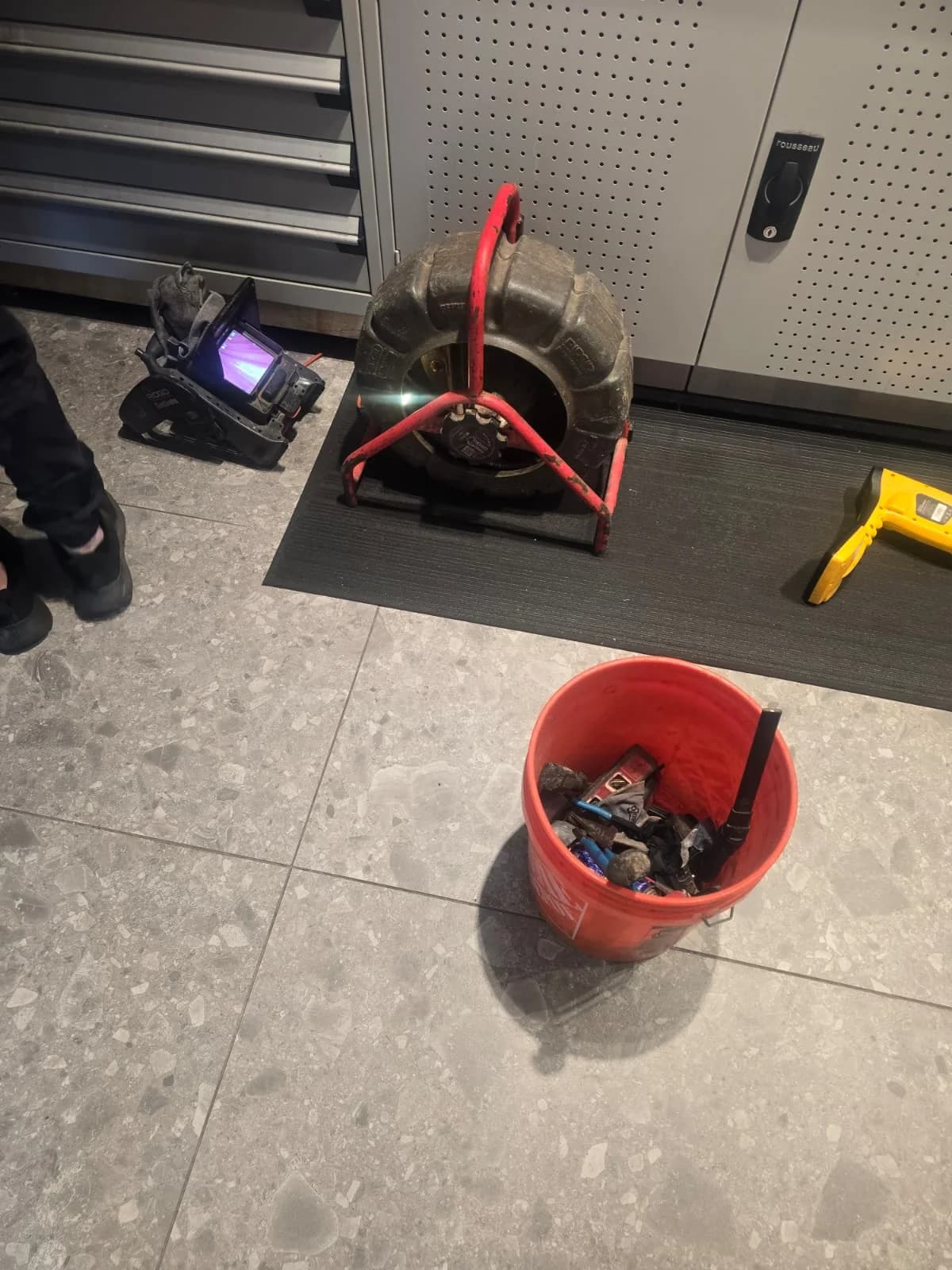
The right method depends on the symptoms, pipe condition, and available access. See what each assessment or service involves.
Get slow sinks, showers, and household drains moving again. Targeted cleaning addresses everyday buildup while helping identify recurring problems further down the line.
Learn more about drain cleaningSee what is happening inside an accessible sewer line. Camera inspection helps identify obstructions and visible defects before choosing cleaning or repair work.
Learn more about sewer camera inspectionKeep your property's drainage needs organized with inspection, cleaning, and repair assessment. We discuss access, operating constraints, and the scope before scheduling work.
Learn more about commercial sewer servicesCall to discuss the symptoms and current availability, or send the details of your planned work.
These details help us understand the request and discuss an appropriate next step for your property.
Tell us which areas can be reached from your unit and which require building assistance. The ownership or responsibility for a pipe should be confirmed with the appropriate property representative rather than inferred from where a symptom appears.
Discuss visitor entry, equipment access, and the site contact. These details help plan a practical visit. They do not establish the cause of the problem or replace an inspection of the affected plumbing.
Mention whether the problem is confined to one sink, affects several fixtures, or has also been reported elsewhere. Any known history of cleaning or inspection can help avoid repeating an assessment without the earlier evidence.
Share the actual symptoms and any earlier findings. We’ll help you understand what the next assessment can establish.
Call with the unit details and symptoms, and confirm the building’s requirements for access and authorization. Some work may involve shared infrastructure and a manager or association. We can discuss a suitable assessment once the relevant arrangements are understood.
Not necessarily. The issue may be local to the fixture or branch, while several affected fixtures can point to a different part of the system. An assessment should establish the scope before a broader cleaning or repair is proposed.
Useful information includes the location of known access points, prior inspection records, the responsible approval contact, and reports from affected occupants. Avoid opening pressurized cleanouts or entering unsafe areas simply to gather more detail.
Tell us what’s going on, and we’ll help you understand your options. A clear conversation is the first step toward a clear drain.
Share a few details. We’ll take it from there.
Loading estimate form…