01
Sewer Cleaning
Clear stubborn main-line blockages and restore wastewater flow. We identify the cause, choose a suitable cleaning method, and explain the next steps.
Learn more about sewer cleaningLocal sewer and drain help from our Bergen County team. Clear assessment, practical options, and a quote to review before the agreed work begins.
A backup in a shared building needs a clear picture of which fixtures and occupants are affected. Our team helps Hackensack homeowners, landlords, and property managers distinguish an individual drain problem from a possible main-line obstruction. Tell us whether water appears in a lower-level fixture, whether neighboring units are affected, and who can authorize access. We use those details to plan an assessment rather than assuming every backup needs the same repair.
For a Hackensack property with several occupants, one person should coordinate access and keep a record of when the problem appears. A clear symptom history is more useful than repeated temporary clearing without understanding the affected section.
Explore All 11 Services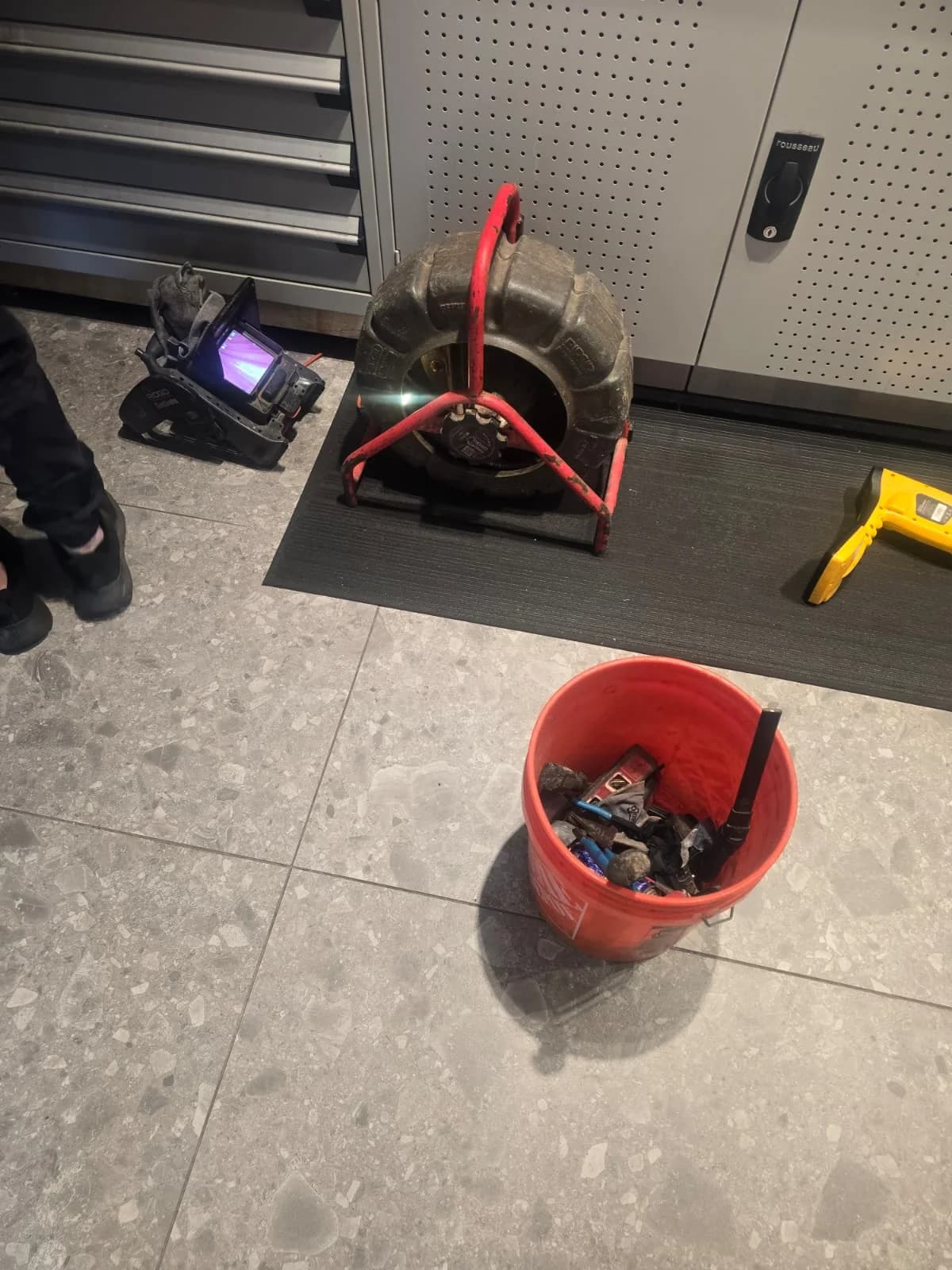
The right method depends on the symptoms, pipe condition, and available access. See what each assessment or service involves.
Clear stubborn main-line blockages and restore wastewater flow. We identify the cause, choose a suitable cleaning method, and explain the next steps.
Learn more about sewer cleaningSee what is happening inside an accessible sewer line. Camera inspection helps identify obstructions and visible defects before choosing cleaning or repair work.
Learn more about sewer camera inspectionKeep your property's drainage needs organized with inspection, cleaning, and repair assessment. We discuss access, operating constraints, and the scope before scheduling work.
Learn more about commercial sewer servicesCall to discuss the symptoms and current availability, or send the details of your planned work.
These details help us understand the request and discuss an appropriate next step for your property.
Note the floor, unit, and fixture where water first appears. If another sink or toilet triggers the backup, mention that connection when you call. It can help distinguish a branch-drain concern from a shared line.
Identify who can open the mechanical room, basement, or cleanout area. Ask the owner or manager to confirm which work can be authorized, and keep occupants informed about any agreed interruption to water use.
Where a camera can travel through an accessible line, its findings can help guide cleaning or repair. Ask which section is affected and whether the proposed work addresses an obstruction, a damaged connection, or both.
Share the actual symptoms and any earlier findings. We’ll help you understand what the next assessment can establish.
Call to discuss the building, the fixtures affected, and access arrangements. A shared line may require coordination with the property manager or owner. We agree on the assessment scope before proceeding; the number of affected units alone does not establish the cause.
If wastewater is actively backing up, stop using the affected plumbing and contact the responsible owner or manager. Shared systems may need coordinated instructions. Keep people away from sewage and call to discuss the situation and current service availability.
Previous camera footage, cleaning dates, and notes about where the blockage was encountered can be useful. Share available records rather than arranging repeated cleaning without a plan. An accessible inspection may clarify whether further clearing or a repair assessment is appropriate.
Tell us what’s going on, and we’ll help you understand your options. A clear conversation is the first step toward a clear drain.
Share a few details. We’ll take it from there.
Loading estimate form…